Message from
the Ombudsperson
During the year 2022, the world progressively reopened. At the Asian Development Bank (ADB), we transitioned from questioning if we would ever get back to resuming work at our respective duty stations with cautious optimism. Returning to work at the office 3 days a week, as per the ADB hybrid policy, has been a welcome change from the disconnection that the ADB community endured for almost 3 years.
I do not know about you, but I really missed bumping into colleagues in the hallways or in the Staff Hub and missed simply being able to work with the Ombuds team in person.
I only realized how much these informal interactions and in-person conversations mattered when I could not have them anymore. With most of our interactions happening online since the beginning of the pandemic, our office previously observed trends related to communication challenges and other interpersonal conflicts between remote colleagues and/or supervisors.
Because teams were virtual and often geographically dispersed, it became natural for more introverted team members to appear more invisible. The remote setting also caused others to make assumptions, for example, about a certain team member’s performance, productivity, or work ethic. Social isolation further negatively impacted perceptions regarding organizational or managerial support and work-related recognition. Remote work may also have inadvertently helped mask conflict between team members.


As we gradually moved into hybrid work, we did not entirely know what to anticipate in terms of patterns in employee relations. And we did not know what impact remote work might have had on ADB’s organizational culture.
After getting used to communicating online for most of the time, the transition to hybrid work seems to have made some interpersonal challenges worse.
We now have to unlearn how we worked and interacted in the previous few years. Relearning how to communicate face-to-face has been necessary. We also have to strike a balance between collaborating with those who come into the office and colleagues who are working from home.
Some of the greatest challenges of the new hybrid workplace may include inconsistent communication, decreased opportunities for team collaboration, and a loss of connection to the organizational culture as alternating team members work remotely intermittently throughout the week.
Consequently, an unconscious bias may also exist among managers who favor team members working in-person over those who work remotely. Moreover, some work processes might also have been disrupted because of the additional coordination required between remote and in-person team members, inadvertently leading to perceptions of unequal workloads. Conflict is inevitable if some team members choose to work from home on specific days but expect their colleagues to be at the office when they are there. Inconsistent implementation of work–from–home policies appears to be a significant cause of conflict within teams.
It has also been interesting to note how some issues we have observed are not all new nor caused by the hybrid work arrangement but may have been exacerbated by it. Managers, for example, continue to require more support as they deal with the pressures of supervising their hybrid teams and managing any conflicts that may arise within them.
The hybrid workplace is still very much a work in progress, and departmental teams and field offices are still determining what works best for them. The reality is that every team and each individual team member will be in a slightly different situation; therefore, a one-size-fits-all approach is not likely to be successful.
As people returned to the workplace, they had to simultaneously deal with an overlap of organizational initiatives. While grappling with questions about what would happen next in terms of work arrangements, staff also had to contend with ADB’s anticipated New Operating Model. Some lacked clarity on what this would mean for them individually, what exactly needed to change, and why ensuing changes were necessary—especially during a time when staff were transitioning back to working at their duty stations. They wanted to know if the changes would require them to move between departments, attach themselves to new teams, or if their roles would change.
A climate of anxiety was created because members of the wider ADB community did not clearly understand the new initiative or the value of this change.
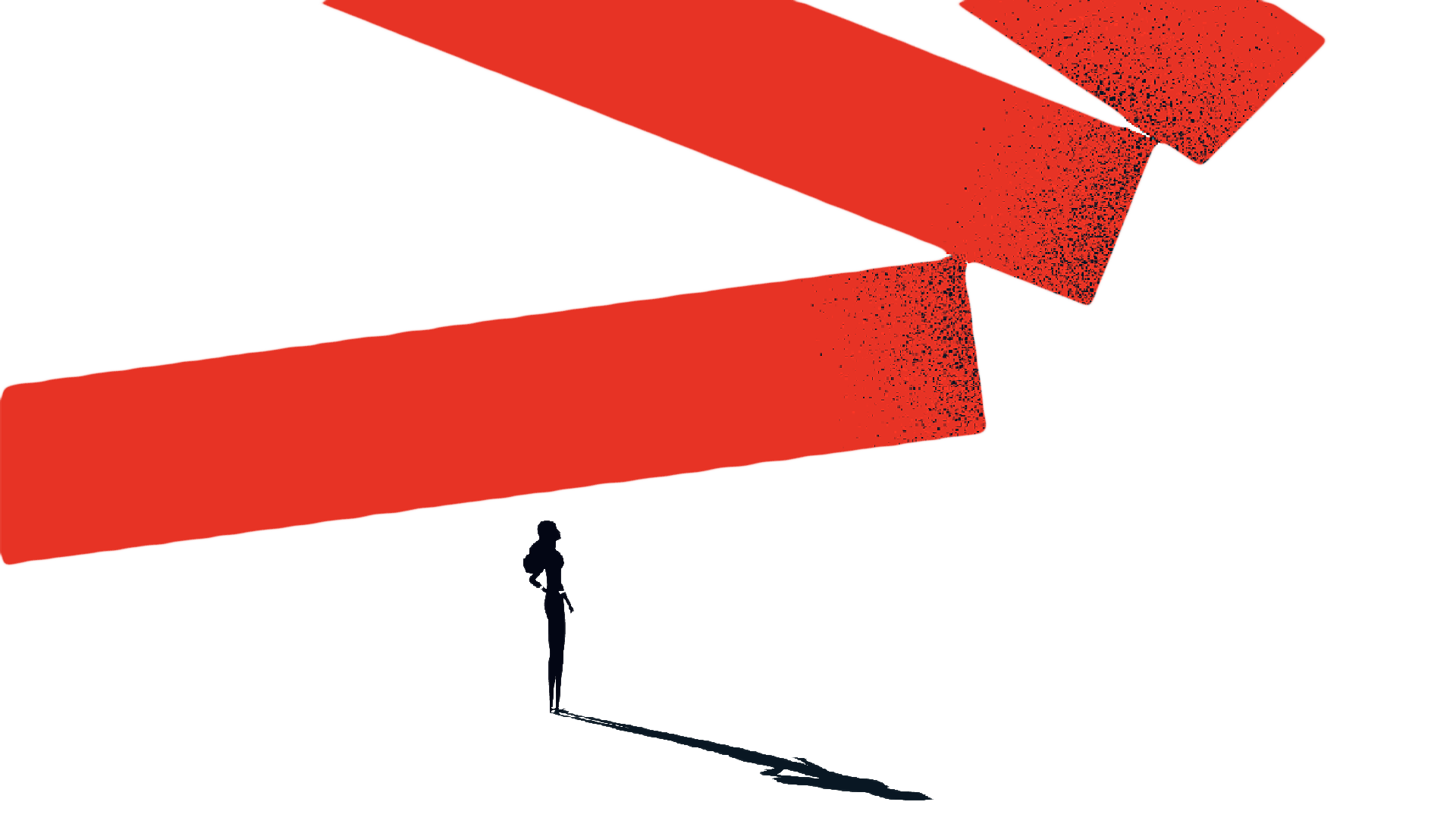

The implementation of the New Operating Model may be a time of ambiguity for the organization. It is also a process of change management that some staff may react negatively to or be apprehensive about. It calls for flexibility and planning. Hence, it falls on managers, supervisors, and team leaders to chart the path clearly for ADB staff through frequent and transparent communication. Providing this support is critical in helping employees emotionally and practically adjust to any new changes while building the competencies required for achieving the desired organizational goals. The stages of psychological transition from grief—i.e., denial, anger, bargaining, depression, and acceptance—are akin to the transition individuals make during a process of organizational change.
Those in positions of leadership are responsible for guiding the ADB community through the change management process until it is completed, so they can proceed to the ultimate stage of acceptance.
As we detail this year’s trends in the Data Speak section, staff well–being remains top of mind. We ask the ADB Management to be mindful of how the workplace can affect employee performance, well–being, and engagement in our Notes to Management. The consistently rising number of issues around burnout, workload-related stress, and consequent interpersonal conflicts received by our office prompted us to highlight heavy workload as a systemic issue, and to request the ADB Management to demonstrate support.
I am looking forward to resuming face-to-face interactions and building on relationships and initiatives started before the pandemic, especially our outreach services to field offices. In particular, I am also looking forward to engaging with you in a collegial and collaborative manner to address the challenges that lie ahead, whether they are anticipated or not.
The progress our ADB community has made in the past year gives me confidence that we are adaptable and resilient—and that when things become hard, we confront the hurdles because we are not afraid of the journey. Yes, we may grumble and disagree along the way, but ultimately, we navigate the path together.

Wayne Blair
ADB Ombudsperson